Natural Language Processing (NLP) is a branch of artificial intelligence that focuses on enabling computers to understand, interpret, and generate human language. From chatbots and virtual assistants to sentiment analysis and translation tools, NLP is behind many modern applications we use daily.
Python has become the most popular language for NLP due to its simplicity, rich ecosystem, and powerful libraries. In this blog, we will explore how Python is used in NLP, including text processing, sentiment analysis, and language models.
Why Python is Ideal for NLP
Python is widely preferred for NLP because:
- Easy-to-learn and readable syntax
- Extensive libraries and frameworks
- Strong community support
- Integration with AI and machine learning tools
- Rapid development and prototyping capabilities
These advantages make Python suitable for both beginners and advanced developers working on NLP projects.
Text Processing in Python
Text processing is the first step in any NLP task. It involves cleaning and preparing raw text data so that it can be analyzed effectively.
Common text processing techniques include:
- Tokenization (breaking text into words or sentences)
- Removing stop words (common words like “the”, “is”, “and”)
- Stemming and lemmatization (reducing words to their base form)
- Lowercasing and removing punctuation
Python libraries such as NLTK (Natural Language Toolkit) and spaCy are widely used for these tasks. They provide built-in functions that simplify text preprocessing.
Sentiment Analysis Using Python
Sentiment analysis is the process of determining the emotional tone behind a piece of text. It is widely used in social media monitoring, customer feedback analysis, and product reviews.
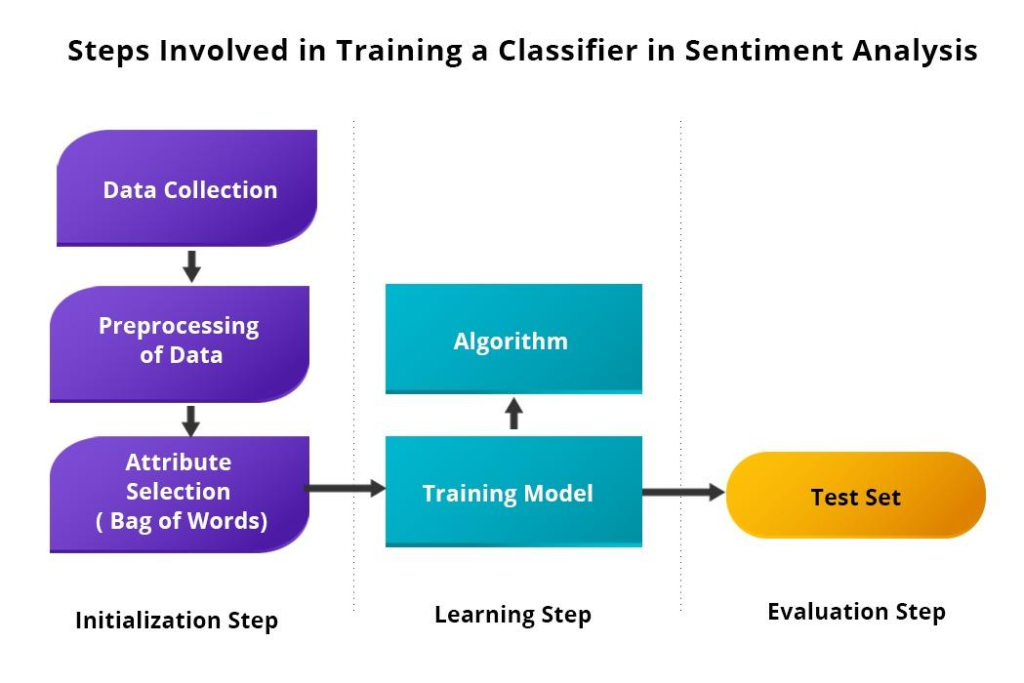
With Python, sentiment analysis can be performed using libraries like:
- TextBlob
- VADER (Valence Aware Dictionary and sEntiment Reasoner)
- Scikit-learn (for custom models)
For example, Python can analyze a product review and classify it as positive, negative, or neutral based on the words used.
Language Models in NLP
Language models are systems that understand and generate human language. They are used in applications like chatbots, text prediction, translation, and more.
Python supports advanced language models through frameworks such as:
- TensorFlow
- PyTorch
- Hugging Face Transformers
These tools allow developers to build and use deep learning models like BERT, GPT, and other transformer-based architectures.
Real-World Applications of NLP
Python-powered NLP is used in many real-world applications:
- Chatbots and Virtual Assistants: Automated customer support systems
- Machine Translation: Translating text between languages
- Speech Recognition: Converting spoken language into text
- Spam Detection: Filtering unwanted emails
- Search Engines: Improving search results using semantic understanding
- Social Media Analysis: Monitoring trends and public opinion
These applications rely heavily on NLP techniques to understand and process human language effectively.
Python Libraries Used in NLP
Python offers a wide range of libraries for NLP tasks:
- NLTK: A comprehensive library for text processing and linguistic analysis
- spaCy: Fast and efficient library for advanced NLP tasks
- TextBlob: Simple API for sentiment analysis and basic NLP
- Gensim: Used for topic modeling and document similarity
- Transformers (Hugging Face): For state-of-the-art language models
These libraries make it easier to build powerful NLP applications without starting from scratch.
Challenges in NLP
Despite its capabilities, NLP faces several challenges:
- Understanding context and ambiguity
- Handling slang, abbreviations, and informal language
- Processing multiple languages
- Dealing with noisy or unstructured data
Python libraries and advanced models continue to improve in addressing these challenges.
Future of NLP with Python
The future of NLP is closely tied to advancements in artificial intelligence and deep learning. Python will continue to play a major role due to its compatibility with cutting-edge technologies.
With the rise of large language models and generative AI, Python is becoming even more important for building intelligent systems that can understand and generate human-like text.
Python has established itself as a powerful tool for Natural Language Processing. From basic text processing to advanced language models, Python provides all the necessary tools and libraries to build intelligent language-based applications.
Whether you are working on sentiment analysis, chatbots, or machine translation, Python simplifies the entire process. As NLP continues to evolve, learning Python will give you a strong foundation to explore the world of AI and language technologies.
For More Information and Updates, Connect With Us
- Name Sumit singh
- Phone Number: +91 9264477176
- Email ID: emancipationedutech@gmail.com
- Our Platforms:
- Digilearn Cloud
- Live Emancipation
- Follow Us on Social Media:
- Instagram – Emancipation
- Facebook – Emancipation
Stay connected and keep learning with Python Training !